Indonesia Without the Nonsense
Slow Travel and Stories Worth Reading
If we had a nickel for every time someone said, “Indonesia? Oh, you mean Bali!” we could buy a lifetime supply of nasi campur. The truth is, Indonesia is never just Bali. Indonesia is not just one place. It is five main islands plus thousands of smaller islands, each with its own culture, landscape, and quirks.
This is a country where volcanoes brood on the horizon, ancient temples outlast dynasties, and one chat in a crowded market teaches more than any glossy guidebook. Indonesia stays messy, vibrant, and endlessly rewarding, especially when you travel slow enough to let it unfold.
Traveling here can feel overwhelming if you do not know the basics but it does not have to be. From figuring out how to pay without fumbling large rupiah notes to surviving your first tropical downpour to staying healthy while sampling street food, a few practical tips make life infinitely easier.
Why Visit Indonesia as a Slow Traveler
Cultural Depth
From Javanese court traditions in Yogyakarta to daily Balinese offerings laid out at sunrise, life here is layered with meaning.
Natural Beauty
Volcano treks, rice terraces, coral reefs, and hidden beaches you will not find plastered all over Instagram.The Pace
Indonesians master unhurried living. Strong coffee, long conversations, and a rhythm that bends with the day. Why rush through it
Places to Visit in Indonesia
Bali
Bali has a split personality, and we love watching it argue with itself. In Ubud the Mask and Puppet Museum guards centuries of expression, each face staring back with more emotion than most visitors manage on a yoga mat. Down in Kuta the largest Starbucks in Southeast Asia towers higher than the waves ever did, a shrine to Frappuccinos and air conditioning. Sanur offers yet another version, where the Andaz Bali tries to out charm the sea with architecture and service that actually deliver.
Yes the traffic makes us question our life choices, and the crowds seem determined to photobomb even our quiet moments. But ceremonies keep rolling at sunrise, gamelan drifts through villages, and if you stay long enough, Bali stops feeling like a postcard and starts behaving like a place that never runs out of stories
Bali is more than beaches and busy roads. Stay a little longer and you find temple ceremonies at sunrise, gamelan music drifting through villages, and museums that guard centuries of stories. Come discover the Bali that rewards patience and invites slow travelers to linger. Read our Bali stories.
Jakarta
Jakarta, the capital of Indonesia, felt like someone had cranked the city’s volume knob all the way up and snapped it off. The noise came from everywhere—cars honking, vendors yelling, and whatever that mystery construction project was that had apparently been “almost finished” since 1998. The traffic moved like a slow conga line of despair, but honestly, that’s just Indonesia’s love language. Every major city here treats gridlock like a national sport.
Still, Jakarta had its charm. If you wanted to see Indonesia at its most extravagant, this was the place. You could spend the morning buying overpriced coffee in a mall big enough to have its own weather system, then wander into Glodok—Jakarta’s Chinatown—where the food was so good it felt like someone had rewritten your DNA. I’m not saying I’d move there permanently, but if I ever disappeared, you’d probably find me behind a noodle stall, pretending I lived there all

Yogyakarta
Yogyakarta, or Yogya if you wanted to sound like you belonged, wore its culture without trying. Batik was not a souvenir, it was philosophy stitched into cloth. Street art climbed walls with the same energy as university debates, and food carts turned sidewalks into classrooms on flavor. Then there were the temples, Borobudur and Prambanan, which did not just impress but silenced us in ways that no brochure had warned about. Yogya felt alive, restless, and entirely its own.
Yogyakarta is not only about temples Though Borobudur and Prambanan impress beyond words, the real Jogja lives in its batik workshops, street art, and food carts. Let this cultural capital show you why travelers who linger always return. If you like cultures and want to know more about traditional Javanese heritage, Yogya is worth the visit.
Malang
Malang felt like the overachiever of East Java—one of those places that insisted on doing everything at once. You could hike a volcano before breakfast, stroll past crumbling Dutch buildings by noon, and be taking selfies in a rainbow-painted village before dinner. The city had that odd blend of calm and chaos that made you wonder if it was secretly run by caffeine.
The locals were disarmingly friendly, the kind who’d help you find your way even if you hadn’t actually asked. The food was fantastic, mostly because every dish seemed determined to prove it was the best thing you’d ever eaten. Discover why Malang is Indonesia under the radar gem for slow travelers.

Indonesia Explained: The Tips That Keep You Moving
Indonesia is a country that keeps you guessing, and that is half the fun. But between ferries that depart on their own mysterious schedule, rupiah notes that make you feel like a billionaire, and the occasional stomach rebellion after one satay too many, a little preparation goes a long way.
This section is not about rules. It is about the small, practical tricks that keep your trip from unraveling in the heat, traffic, or rain. From figuring out which ride-hailing app to trust, to knowing why every traveler ends up carrying rehydration salts, these basics make all the difference.
The weather plays tricks, the transport system tests your patience, and even money itself takes practice. But once you learn the rhythm. When to shrug, when to bargain, when to stash small bills in your pocket, you stop fighting Indonesia and start moving with it.
Consider this your survival kit for traveling slow. It will not cure Bali Belly, but it might help you avoid it. It will not make ferries punctual, but it will make you laugh while you wait. And it will free you up for the good stuff: temples, markets, mountains, and all the glorious chaos in between.
Curious about the practical side of slow travel in Indonesia? Find everything you need on the Indonesia Practical Info section.
When to Visit Indonesia
Finding the Sweet Spot Between Rain and Heat
Indonesia lives on the equator, so think hot, humid, and occasionally biblical. Dry season (May–September) offers blue skies and smoother island-hopping, while wet season (October–April) throws dramatic downpours that usually clear in a few hours. Even when the forecast threatens rain, it rarely ruins an entire day, so pack light clothes, a rain jacket, and a sense of humor.

Dry Season: May to September
The so-called dry season brings blue skies, calmer seas, and a much better chance of catching ferries without gripping a life vest in silent prayer.
Best for: Bali beaches, Java temples, Komodo boat trips
Perks: Lower humidity, easier island-hopping, festivals like Bali Arts Festival (June–July)
Drawback: More travelers, higher hotel rates, and selfie sticks invading temple courtyards
Wet Season: October to April
The rains arrive like an uninvited relative who stays too long. One minute sunshine, the next minute a downpour heavy enough to make Noah check his boat inventory.
Best for: Rice terraces (they look greener than any paint swatch at Home Depot), fewer tourists, cheaper stays
Perks: Afternoon showers clear the air, waterfalls thunder in full force
Drawback: Ferry cancellations, muddy treks, and the occasional cockroach seeking refuge in your guesthouse
When Not to Visit: Holiday Periods to Sidestep for Peaceful Travel
Lebaran (Idul Fitri)
Lebaran marks the end of Ramadan and is one of Indonesia’s biggest national festivities. The holiday follows the Islamic lunar calendar, which runs shorter than the Gregorian year, so the dates shift by about ten days annually. Some years it falls in May, others in April, and eventually it cycles through every season.Before and after Lebaran, millions join mudik, the great home-coming exodus. Big cities like Jakarta, Surabaya, etc. will be empty out while rural towns overflow, and every road, train, and airport feels like it is carrying double its weight. If your trip overlaps, book transport early or plan to sit tight and ride out the rush.School Holidays
Schools cut loose in June and don’t bother corralling kids again until mid July. Then December rolls around and the whole country braces for the holiday stampede. Families swarm Bali and other vacation spots, packing every hotel pool, beach, and buffet like it’s their personal playground. Shops pump out carols in the humidity, and the crowds surge like someone flipped a switch. If quiet lanes and less competition for sunset views sound more your pace, it is wiser to plan travel outside these dates.
What Travelers Need to Know about Money in Indonesia
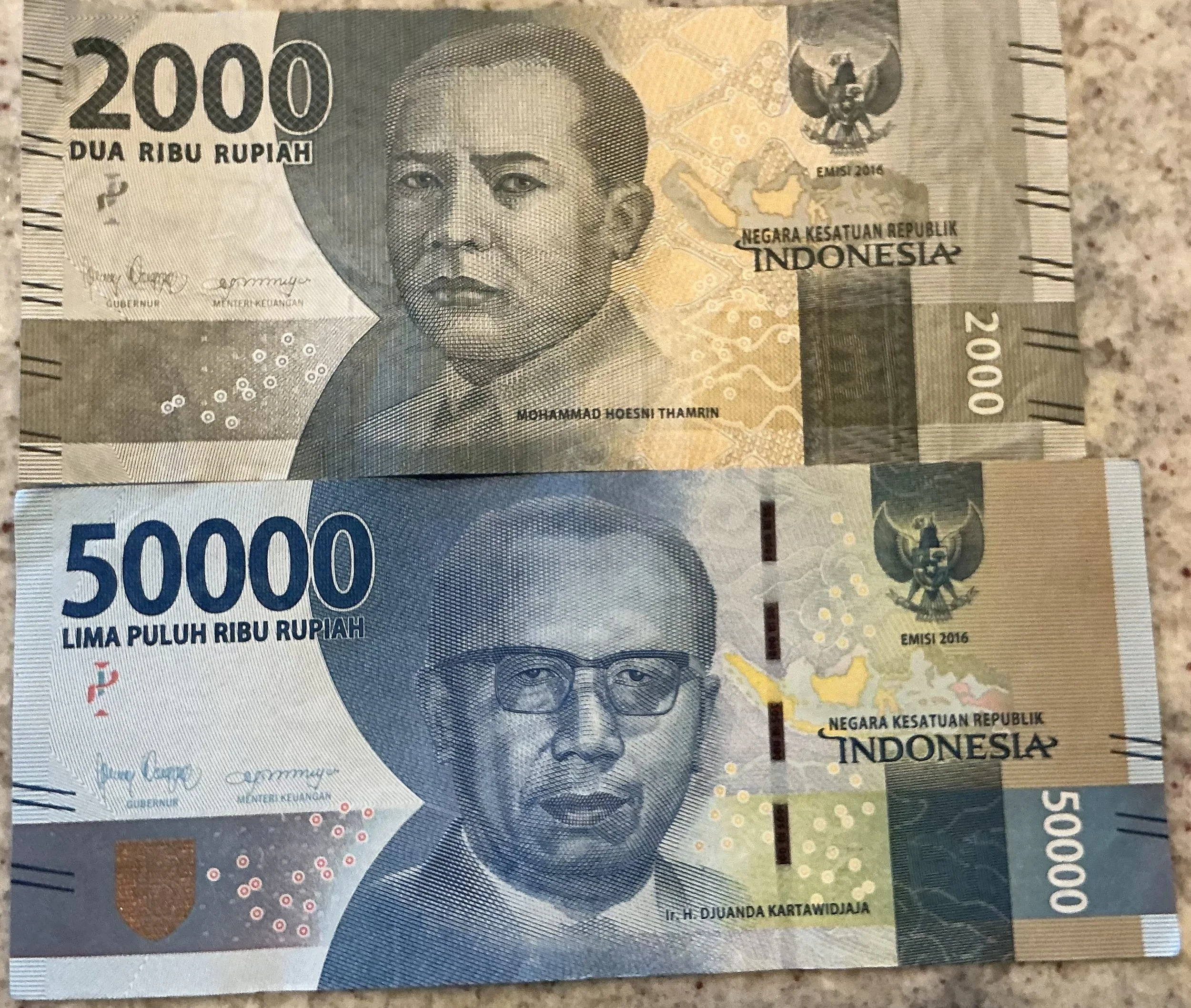
Indonesia runs on rupiah, and the notes come in colors bright enough to rival a Balinese offering. ATMs are common in cities and tourist hubs, but not always reliable in smaller towns or islands. Bring a mix of cash and cards, and do not be shocked when a single meal costs “fifty thousand rupiah” (50.000 rupiah) that is barely three dollars, not a financial crisis. Always keep small bills handy for markets, street food, and ojek rides, because no warung auntie ever has change for your shiny 100k note.
If you want the full lowdown on Indonesia money tips, Using ATMs in Indonesia, and how to avoid extra fees, check out our guide. It covers everything from withdrawing cash safely to handling exchange rates without getting burned.


Transportation in Indonesia
Getting around Indonesia takes patience and strategy. Between islands, planes are king. There are dozens of daily flights, and after a while you will know the in-flight snacks by heart. On Java, trains are the unsung heroes: comfortable, affordable, and often more reliable than the roads, with views that turn a long ride into a moving postcard.
Everywhere else, buses and minibuses (angkot) keep towns and cities connected, though “departure time” usually means “when the driver feels it is full enough.” For city travel, Grab and Gojek in Indonesia are your best friends. They save you from taxi haggles and cost less than a fancy coffee back home. If you want to know how the apps work, what rides really cost, and a few tricks for getting drivers to actually find you, check out our full guide.
As for scooters, leave them to the locals. Traffic here is like a symphony performed without a conductor. Fascinating from the sidelines, nerve-wracking in the middle. For visitors, the backseat of an air-conditioned car is the saner, safer choice
Indonesia for Food Lovers: Street Eats, Delivery Apps, and Survival Tips
Eating in Indonesia is half the adventure. Indonesian street food stalls sizzle with satay smoke, warung serve up plates of nasi campur that could feed two people, and markets pile fruit so colorful it looks photoshopped. The best meals rarely come with menus, so pointing, smiling, and a bit of trust go a long way. If you see a long line of locals, join it and you are about to discover something worth waiting for.
For days when you would rather stay in your guesthouse or give your stomach a break from the heat, it is easy to order food in Indonesia with apps. GrabFood and GoFood are good food delivery apps in Indonesia. They deliver everything from fried chicken to banana pancakes straight to your door, often faster than it would take you to walk to the corner. The trick is learning how the apps work, spotting the best deals, and making sure the driver actually finds you. We put together a full guide on how to use GrabFood vs GoFood in Indonesia, with screenshots, tips, and stories from our own late-night cravings.
Sometimes your stomach will rebel. Travelers call it Bali Belly, locals simply call it sakit perut, which means stomach ache. To stay healthy in Indonesia, eat where food turns over quickly, stick to bottled or filtered water, and carry a small stash of rehydration salts or charcoal tablets. Tap water in Indonesia is not safe to drink unless it’s boiled first. Pharmacies (apotik) are everywhere, and the staff are usually helpful even if you end up explaining your problem with interpretive dance.
Whether you are tucking into satay on a sidewalk stool or tapping your phone for noodles in bed, food here will surprise you in the best ways as long as you pack a sense of humor and maybe some Imodium.
Documents to Get Into Indonesia
If you want into Indonesia, the rules are simple enough. You need a passport with six months left on it and proof you are not planning to crash on their couch forever. After that, it depends on your passport. Some travelers score a Visa on Arrival, others click through an e-Visa, and the rest wrestle with paperwork before packing flip-flops.

Staying Online in Indonesia
Getting online in Indonesia doesn’t need to be a scavenger hunt. Skip the kiosks and the awkward pantomime of “SIM card, please” at the airport. An international eSIM lets you download before you fly and land with data already humming on your phone. You get two flavors: regional or local. The regional plan works if you are country-hopping—Bali one week, Singapore and Thailand the next—while the Indonesia-only option usually hands you more data for less cash. Either way, both crush the roaming charges your home carrier would gleefully pile onto your bill.
The best part? No lines, no language barrier, no frantic Wi-Fi search while your driver waits. Just instant maps, rides, and yes, the ability to post that smug beach selfie without begging the cafe for a password.
For calls, WhatsApp ruled Indonesia. Hotels, drivers, and guides all used it, so a local number was rarely necessary. All you need is to download WhatsApp to be able to get connected with them.
WiFi in Indonesia plays favorites. Stick to the big tourist hub or big cities such as Bali, Yogyakarta, Malang; and you will find hotels, cafés, and restaurants happily handing out passwords like candy. Speeds usually hover in the “good enough” zone. Fine for streaming, calls, or uploading your carefully staged coconut-drink photos without much hair-pulling.
What You will Find in Our Indonesia Travel Stories
Honest hotel reviews (yes, even the ones that tested our patience).
Indonesia cultural context, the why behind the what and Indonesia Practical Info.
Food adventures, from smoky street satay to elegant rijsttafel feasts.
Reflections on traveling as a couple over 50 in a land of scooters, ceremonies, and surprises

Pro Tips
Sort your paperwork early. Download the e-VOA (Electronic Visa on Arrival) before you fly. It saves time at the airport, accepts card payment, and lets you choose 30 or 60 days. We also put together a guide on the documents you need to enter Indonesia, so no one gets caught fumbling at immigration.
Do not be that tourist. Visas keep you legal, but behavior keeps you welcome. That is why we write about “what you need to know before you come to Indonesia,” a practical survival manual for traveling without becoming the cautionary tale locals share later.
For slow travel in Indonesia, pack a lightweight rain jacket no matter the month. Even in “dry season,” clouds have a sense of humor.
Grab a translation app. It will crack open the mystery of written signs and menus, and it can even flip spoken words into your own language on the fly.
Use the official Indonesia government site to apply for the e-visa
This page brings together all the must know tips to get you around Indonesia. Right now you will find Bali rituals and beaches, plus a Jakarta hotel we could not stop talking about. Think of it as the rack where our Indonesia stories hang together, so no one has to wonder
Keep scrolling to see our latest Indonesia posts. You can also use the search function below.